
We Need Talk About Class
A Nantucket Story

I’m in Hong Kong, where I’ve been invited to speak about Innards as part of University of Hong Kong’s One Book program for first years. I’m posting highlights in my IG stories if you’d like to follow along. Super excited to share reflections and a Hong Kong City Guide soon.
But first, let’s talk about America’s strangest open secret with plot twists to rival the best telenovelas: class.
And let’s rewind a smidge to set the scene.
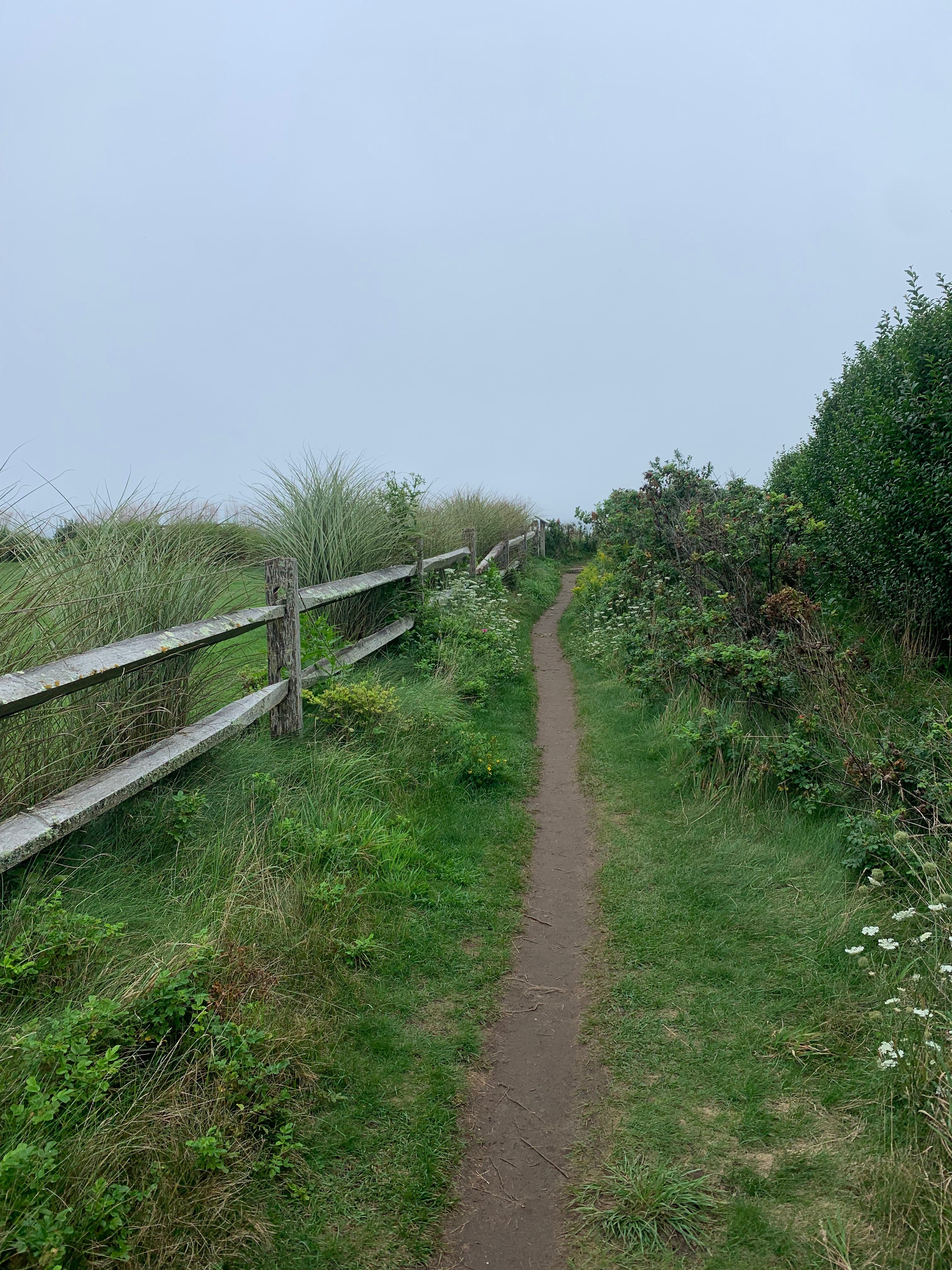
Summer 2023. I’m on the island of Nantucket, a billionaire club with more yachts anchored during high season than the total count of Black folk all year round (heck, maybe even ever 🤦🏾♀️). Mind you, Nantucket has one of the richest histories of free and landed Black people in the U.S.—folks like Seneca Boston been owned property on Nantucket, long before slavery was even abolished.
Thing is—You have to understand how outrageously beautiful Nantucket is, mid-summer.
Everything’s showing off. Fat hydrangea heads in luscious blues hang out in moody purples. And the ocean water is wild and mercurial—a lively show alive with rip tides, thick fog and soft grasses.
You also have to understand that my baby daddy is a white passing Jewish dude.
Which explains how come my biracial child is living proof of Kwame Anthony Appiah’s MUST READ, The Lies That Bind. My child is a fat and happy little human who looks more like Santa Claus’ Northern Lights little cherub than anything that popped out of my ancestral line. 👀🙈🤪 And yet—the boy is mine!
Anyways, there I am pushing the stroller and enjoying the lush rapture of August on the island. Another Black woman approaches.
She’s all dark skin that gleams, and rich thick hair that frames her like a halo. We instantly lock eyes. And move toward one another. Already, I’m beaming. I show her my teeth. She tells me her name and we laugh. Celine Dion, she says. She’s also pushing a baby. Older than mine. Whiter than mine. It doesn’t take words to understand what’s going on. She’s also there with family. The baby’s family. Paid for her presence. And in our light exchange, there it goes, the heaviness of America’s caste-class politics rearing its ugly head.
Celine is like the vast majority of Black and brown people I encounter on Nantucket: people there to cook, clean, nanny, sweep. People there to serve.
You’d be right to point out that Celine—who takes up life space with such infectious aplomb—is so much more than her job. She cannot be reduced simply to The Help. You’d also be right to point out my privileged presence. I was on holiday on Nantucket afterall—plenty working class folks never get a day off, never mind a ticket to the world’s wealthiest enclave.
But anecdotes and feel good stories don’t change the deeply disturbing and systemic correlation between race and class in America. Here, the odds of being stuck in the bottom rungs of society are so much higher for Black and brown people.
Matter of fact, if you’re Black and born to a parent and grandparent living in poverty, the odds are 16 times higher that you’ll be stuck in poverty yourself, compared to the grandchild of a poor white grandparent. Put it like this:
One out of five Black Americans has inherited third generational poverty—they are the third person in their family line to live in economic scarcity; compare that to just one in every one hundred white Americans in the same financial boat.
The math ain’t mathing because the financial odds are stacked not just against Black and brown folks. But also for white people. No wonder, in places like Nantucket and Cape Town, class often acts as the silent driver reinforcing centuries of caste and explicit racial segregation.
No wonder how few Americans actually want to talk honestly about class.
Unless we’re telling some mythic, feel good Movin On Up story. Unless politicians are selling that story to people without basic healthcare, people who believe they have more in common with a billionaire torching the democratic institutions that scantily protect their own interests, than with Celine and every other Black nanny or brown immigrant picking their strawberries.
Here’s the truth: Nobody ever had to hold No Blacks signs outside most of the private schools I attended in South Africa, the zeros behind the tuition bill did all the talking.
And the even more naked, harder truth? Unless we start getting comfortable with the discomfort of confronting our own inherited privilege, poverty and prickly class politics—we kid ourselves about truly dismantling caste.
Starting point? Consider your self-narratives about class. And your family’s. Do the resources you inherited, and have since accumulated or lost, actually match up with the class you most identify with?
Do you vote to protect folks below your income tax bracket?
Or are your politics pro-billionaire, protecting those in a tax bracket you may never belong to? What would class-based solidarity look like for you and your family? What unlikely allies would that solidarity open up for you?
Wanna dive deeper? I absolutely LOVE The Sum of Us by Heather McGhee. Read the book, listen to the podcast and dive into action—here. Two more books on my radar that I’m excited to read: Poverty by America, Matthew Desmond. And Black Folk by Blair LM Kelley.